uPVC sash windows in Sevenoaks, as the timber alternative
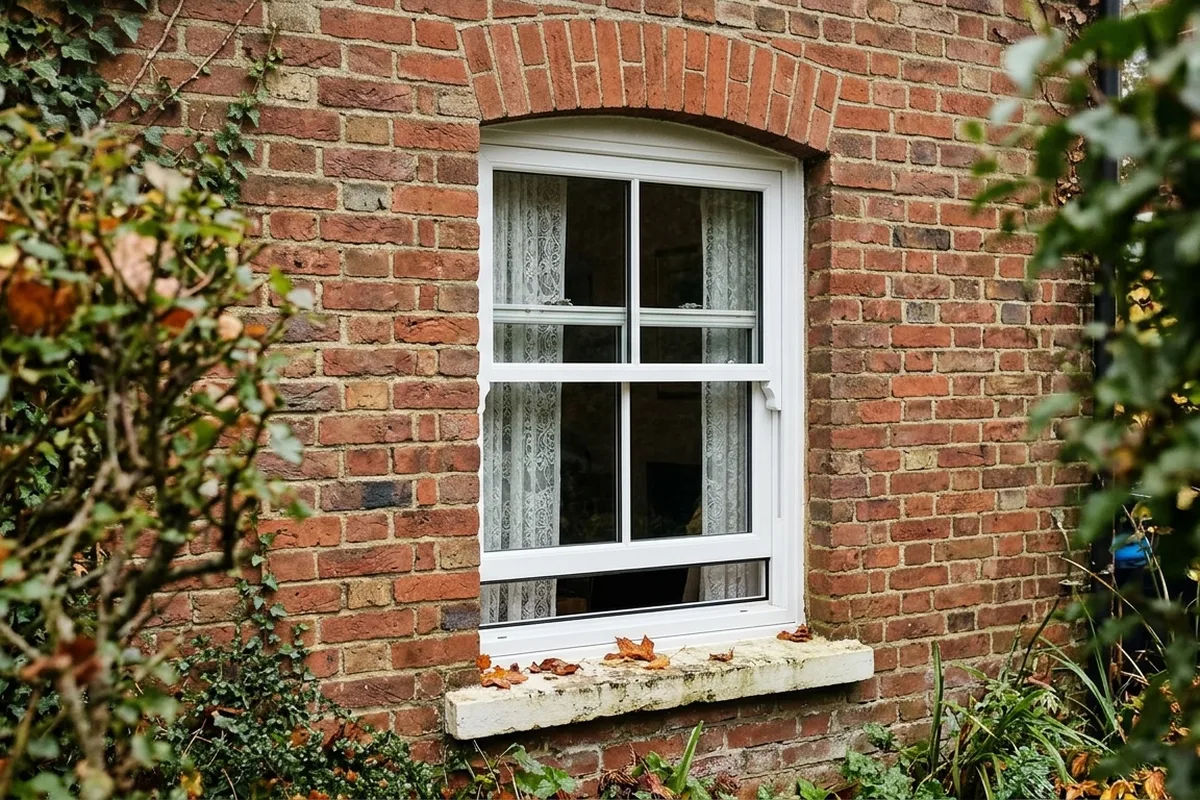
For an unlisted Victorian or Edwardian house in Sevenoaks, a uPVC vertical sliding sash is the window that puts the frontage back the way it was built for a little over half the cost of timber. It slides up and down like the original, takes the same bar patterns, and never needs painting.
What makes a uPVC sash look right on a Sevenoaks street
Most failed replacements in the town's conservation areas fail for the same three reasons the appraisals list: the opening was made smaller, the bars were left off, or a casement was fitted where a sash had been. A properly specified uPVC sash avoids all three.
A true slider. Both sashes move, with spiral balances inside the frame instead of weights. It is not a casement dressed up as a sash.
Matched bars. Granville Road villas, Hartslands cottages and the Vine Court Road houses were not all built with the same pattern. The survey records each one.
Horns where the originals had them. Run-through horns on the top sash are standard on the late Victorian houses.
A finish that reads as paint. A white woodgrain foil looks closer to painted timber from the pavement than smooth gloss white, which is why many owners in conservation areas choose it.
Set back in the reveal. Brick openings in Sevenoaks are often deep. Fitting the frame back keeps the shadow line the appraisals talk about.
When uPVC is the wrong choice
If the house is listed, uPVC will not get listed building consent, and timber is the answer. If you live in a flat or maisonette, even in an unlisted building, you need planning permission for new windows, and in a conservation area the council may ask for timber. The planning guide covers both.
uPVC against timber at the same house
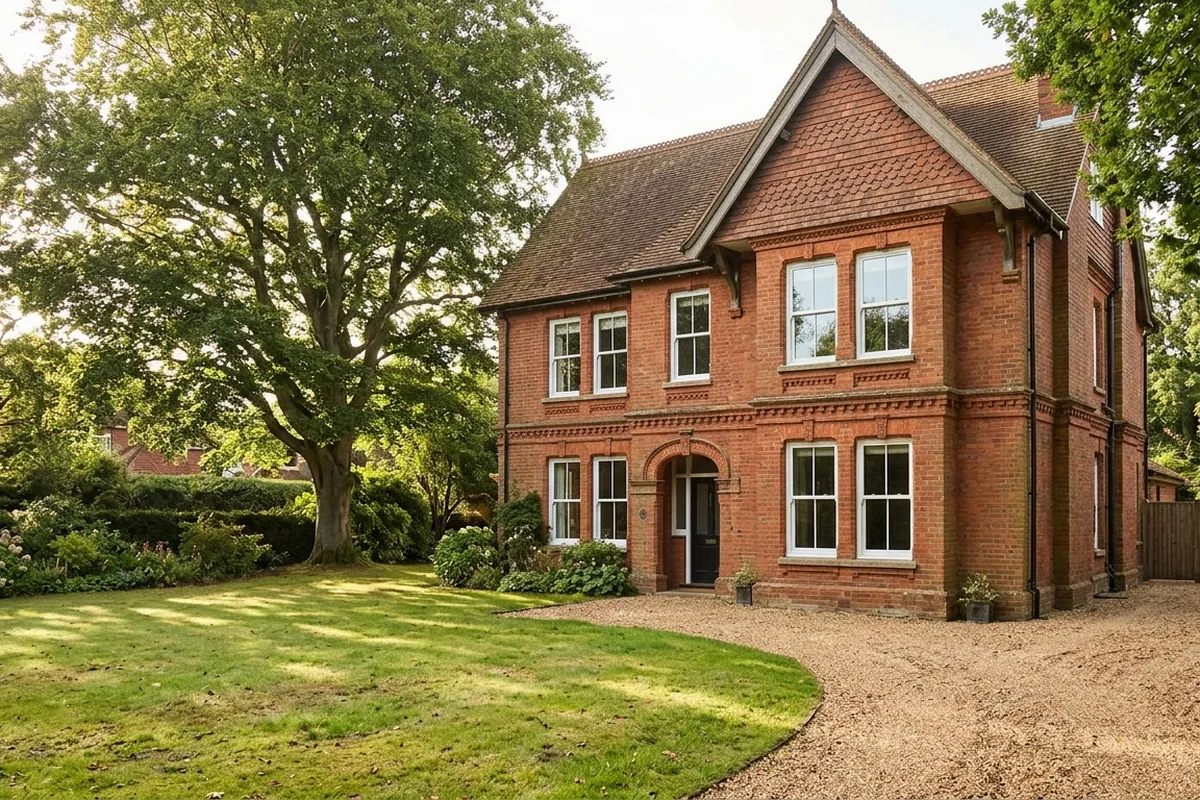
The clearest way to see the difference is the same house priced both ways. A detached late Victorian house off Vine Court Road with nine sashes is shown in uPVC below, and in timber on the example prices page. Timber on a house that size also wants its first repaint about three years in, then again at regular intervals, each time with scaffold for the upper sashes.
Illustrative example of a typical job
Vine Court Road late Victorian house: nine sashes in uPVC
A detached red brick house of the 1890 to 1914 infill between Vine Court Road and Avenue Road, inside the Vine Court conservation area. It is a house, not flats, so like-for-like replacement does not need planning permission.
Nine uPVC vertical sliding sashes in a white woodgrain finish, which reads closer to painted timber than smooth white
One-over-one glazing across the front, matched to the original sashes
Run-through horns on the top sashes, as on the old frames
Typically £16,000 to £23,200, supplied and fitted, including VAT